Moltbot, ChatGPT Ads, SMB Adoption, Workers vs. Bosses, Waymo Ahead

WTF Is Moltbot?
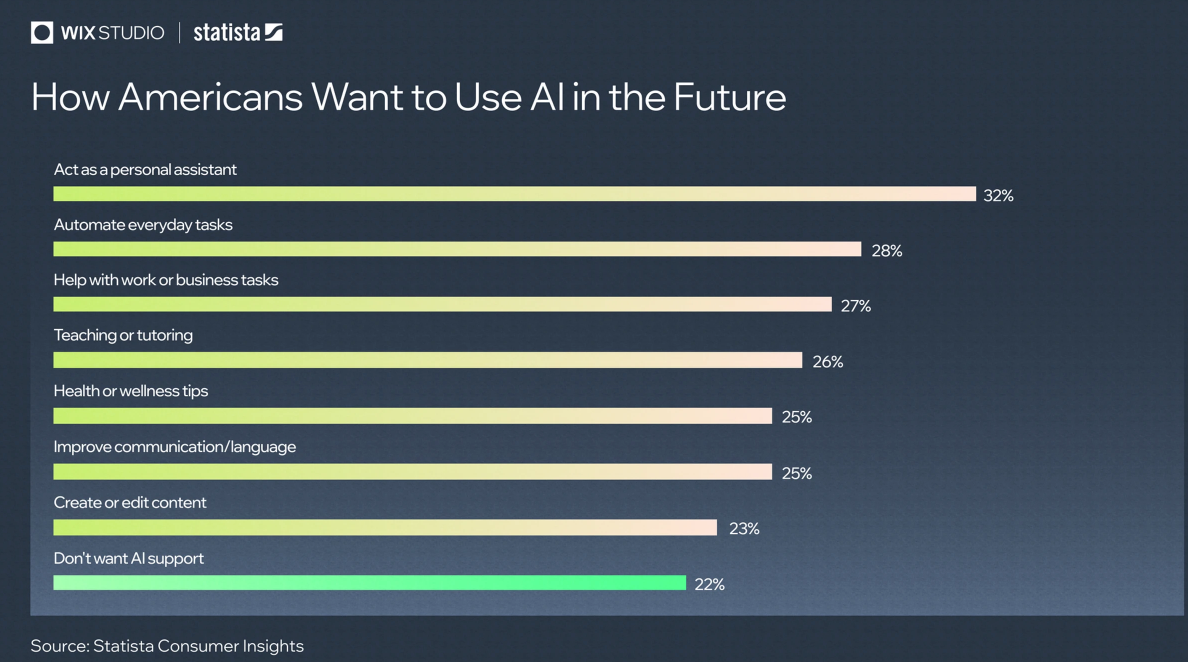
Moltbot (previously Clawdbot) is a next-gen AI assistant that has become wildly popular among developers and early AI adopters (there's also an associated "agent social network"). Moltbot runs locally on a user's computer, not in the cloud. Its promise is practical: "the AI that actually does things." And the site is full of glowing testimonials and examples of how it's being used. For example, Moltbot can manage a dizzying array of tasks and workflows. Among many other things, it can organize calendars and address scheduling conflicts, send and respond to messages across apps, manage back office tasks (e.g., invoicing), pull in information from emails, files and the web, conduct research and generate content. It goes beyond Model Context Protocol (MCP) to choose tools dynamically based on requirements of the tasks at hand. We haven't used it but it's more than an AI chatbot; it's an AI-based system. Because of a long context window and a consistent "personality," it's supposed to feel more like a real assistant than an AI tool, according to user comments. Local control and true (agentic) automation are key differentiators. It's also not locked into an ecosystem (e.g., Google Gemini). It's AI as an operating layer rather than just another app. There are several downsides, however. They include complexity, cost and security risks. And it's not very accessible to non-technical users. But it's closer to what people say they want from AI and what the industry has been talking about, aspirationally, for some time. Big picture, MCP and now Moltbot raise the question of the future of traditional SaaS in a B2B context.

ChatGPT Ads to Launch This Month
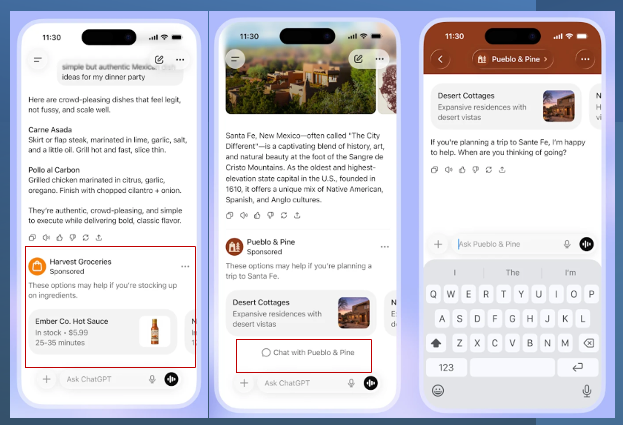
Despite CEO Sam Altman's well-known aversion to advertising, ads will soon be coming to ChatGPT – this month reportedly. The company promises ads will be thoughtful and helpful. They'll only be shown to free ChatGPT users and those on the relatively low-cost Go tier. They'll appear at the bottom of ChatGPT responses, "when there’s a relevant sponsored product or service based on your current conversation." Ads will be clearly labeled and separated from the organic answer. OpenAI is asking, according to AdWeek, for advertiser commitments of at least $200,000 and will price ads at a $60 CPM, which is expensive. At least at the start, the company will only provide basic metrics (i.e., impressions and clicks) about performance. OpenAI has shown mock-ups of two types of ads: a more traditional AdSense-like display unit and a "Chat Ad," allowing users to ask questions of the advertiser. There will also be a number of controls users will have over ads – and upselling to remove ads. OpenAI's massive cash burn – estimated at between $8 and $17 billion per year – has prompted an acceleration of monetization strategies. However, the company recently said its ARR is now $20 billion. Google recently crossed $100 billion in quarterly revenue, most of which is ads. AI platforms will need to develop new "native" ad types (e.g., Chat Ads) that fit with the AI UX, rather than just mimic existing search or display ad types. If well done, they could be quite effective. If not, they could degrade the experience.
SMB AI Adoption Now 57%
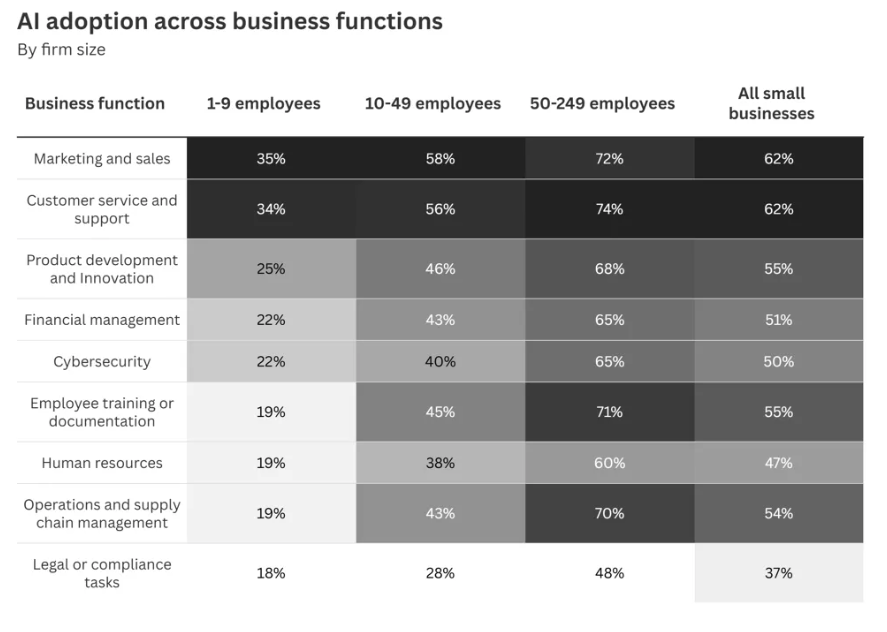
A new Small Business AI Outlook Report from Centerfield found that 57% of US small businesses (SMBs) are now using AI, and 30% are doing so daily. The adoption number is up 21 points from 2023. The data are based on a 2025 survey of 1,009 small and medium-sized businesses with fewer than 250 employees. Areas of adoption in the organization varied by firm size, with AI usage concentrated in marketing, sales and customer service. However the largest firms in the survey had more evenly adopted AI across business functions throughout the organization (see chart). There was an average time savings of 5.6 hours per week using AI. However, managers save more than 2x as much time as individual employees (7.2 hours vs 3.4 hours). This is similar to the findings of an enterprise AI productivity survey (below). SMB managers were also more bullish and had fewer AI concerns than employees. Generally, however, respondents were positive but there were also concerns about over-investing in AI and that "too much AI could hurt our company’s reputation with customers." Asked about the right balance of AI and human involvement, there was a somewhat surprising consensus among managers and employees. Despite the general expressions of enthusiasm, they agreed that the best approach was "human-led with minimal AI." The full survey results are here. (Dialog collaborated on the research.)
Excited vs. Anxious about AI
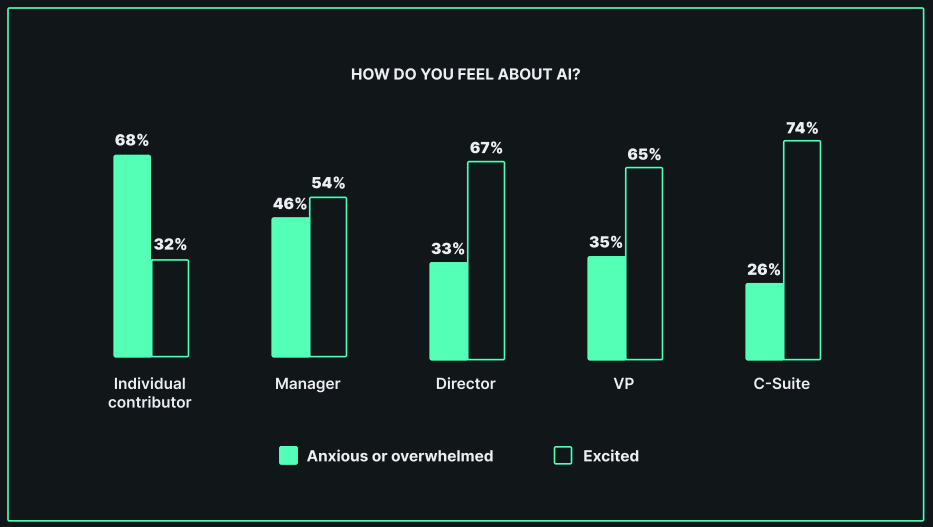
OpenAI CFO Sarah Friar said one of the company's main priorities "is closing the gap between what AI makes possible and how people, companies, and countries are using it day to day." That gap is on display in a recent AI Proficiency Report from consulting firm Section. The company surveyed 5,000 white collar workers in enterprises in the US, UK and Canada (Q4 2025). The study evaluated AI knowledge, usage, skill, attitudes and organizational readiness. The survey discovered that about 75% of respondents used AI for work in some capacity. However the vast majority (69%) were only using AI in the most basic way (summaries, email writing, simple searches) and less than half (44%) said they received any AI training. Less than a third of workers reported time savings of more than 4+ hours a week. (Section argues "organizations should be targeting a 10+ hour time savings per employee to generate ROI."). By contrast, senior executives were very bullish and excited about their AI deployments. They expressed confidence in their organizations’ AI maturity; 81% of C-suite respondents said their company "has a clear, actionable policy that effectively guides AI use" and 71% said they had a formal AI strategy. Executives' responses are 53 points more positive than individual contributors', 40% of whom said "they’d be fine never using AI again." That gap between workers and bosses represents a continuing barrier to AI productivity and efficiency gains.
We Don't Talk Enough about Self-Driving Cars
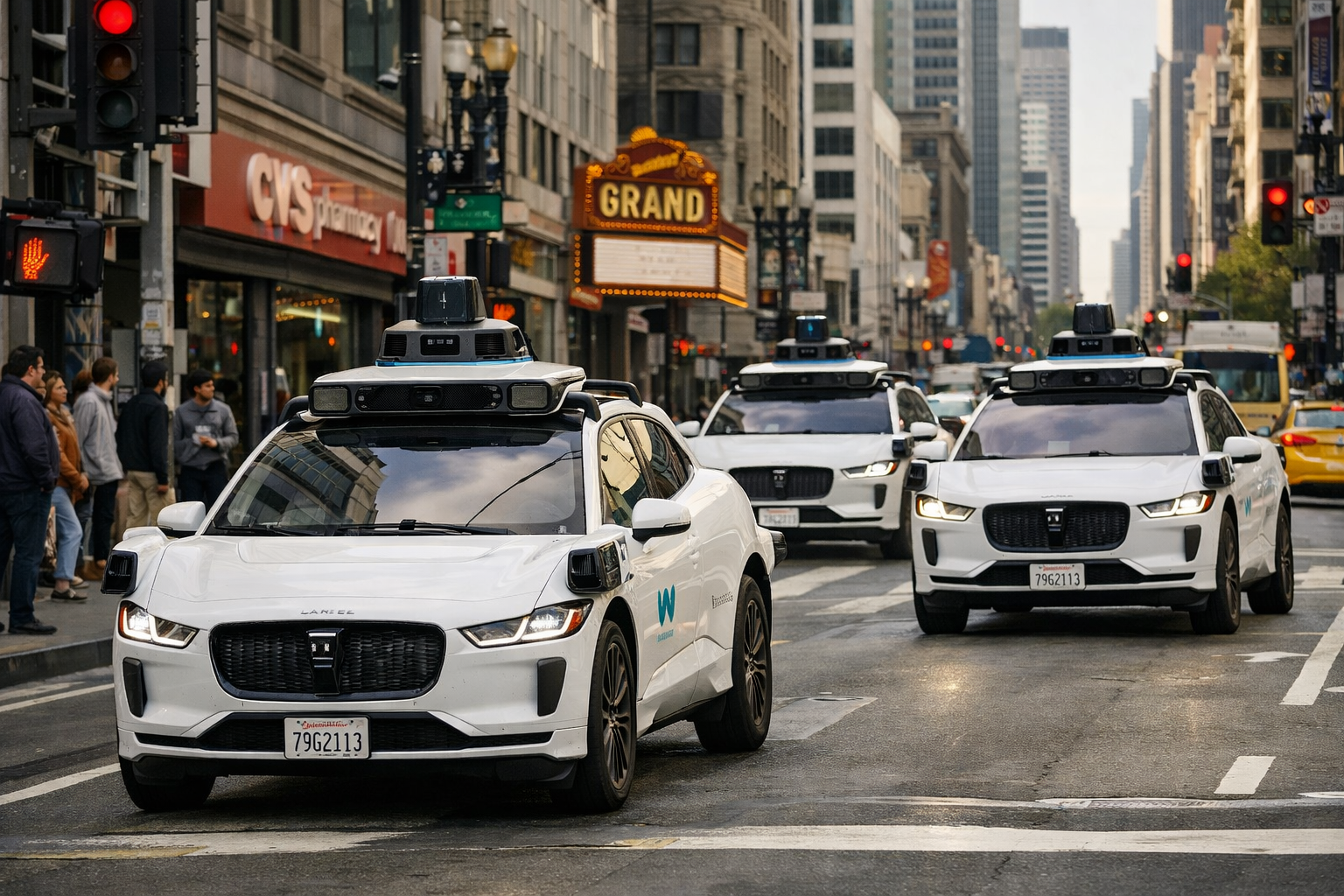
Autonomous vehicles, which incorporate AI in multiple ways, are something of a technology miracle that we already seem to take for granted. In the West, Google's Waymo is the undisputed leader (China has multiple players). Reportedly, the company is about to raise a new $16 billion round, which will value the Google subsidiary at $110 billion. Waymo is fully operational in San Francisco, Los Angeles, Phoenix, Austin and Atlanta, with Houston, Washington DC, London and many others in the queue. The company is generating meaningful revenue ($350 million ARR). By the end of this year, Waymo may be operating in as many as 29 cities. Rivals, including Tesla and Amazon's Zoox, are relatively immature and it's unlikely Tesla will succeed in this market. Regardless, self-driving cars get in fewer accidents and ride-sharing services will want to push out costs (humans). Many people also feel safer in Waymos (no driver assault risk). All those factors will lend further momentum to autonomous vehicle rollouts. In 2024, there were nearly 400,000 taxi, limo and shuttle drivers in the US. A decade from now how many will there be?
Lightning Round:
- The consumer AI market is still ChatGPT's to lose.
- ChatGPT still leads in the enterprise, but Anthropic and Gemini gaining.
- Research: AI variability casts doubt on reliability of AI tracking tools.
- Adobe: AI-driven traffic growing dramatically, especially retail.
- Google Chrome evolving into a true AI browser.
- SEOs increasingly gaming chatbots, as with search.
- Can "deathbots" (AI clones of people) relieve grief or are they exploitation?
- Separating Google crawlers (search vs. AI) necessary for fairness.
- Apple's big holiday quarter kicks its "AI reckoning" down the road.
- US DOT plans to use Gemini to write federal regs – what could go wrong?
- Anthropic CEO: these steps will prevent AI-enabled totalitarianism.
- Is Google's project Genie the future of animation and/or gaming?